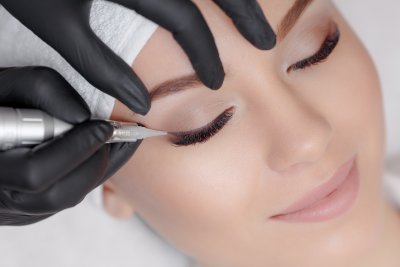
Clear hygiene routines protect the client and the practitioner and make the workflow more professional and predictable.
Estimated reading time: 9 minutes · Updated July 25, 2026

Before, during, and after the treatment
Before
- Perform hand hygiene.
- Clean the work surface.
- Prepare only necessary materials.
- Separate clean and used zones.
During
- Avoid cross-contamination.
- Dispense products onto clean disposable surfaces.
- Change gloves when tasks or risk levels change.
- Handle waste immediately.
After
- Dispose of single-use materials correctly.
- Move tools to the dirty zone.
- Clean and disinfect surfaces.
- Prepare a clean station.
Important distinction
Cleaning, disinfection, and sterilization are not the same thing
Cleaning removes visible dirt. Disinfection reduces microorganisms according to the method’s use. Sterilization is a specific validated process that may be required for certain instruments and treatments.
Organizing the treatment room
- Choose smooth surfaces that are easy to clean.
- Mark clean and used zones.
- Store products protected from spills and contamination.
- Plan ventilation, waste management, and handling of textiles.
- Document routines and deviations.
Daily inspection
| Time | Check |
|---|---|
| Before opening | Surfaces, hygiene supplies, waste, and clean tools. |
| Between clients | Workstation, contact points, and new disposable materials. |
| At the end of the day | Deep cleaning, inventory, waste, and documentation. |
Always check current requirements
The routine must be adapted to the treatment's risk level, product instructions, the business's internal control, and applicable Swedish and local requirements. This guide does not replace information from authorities or professional training.
Recommended products
Hygiene products for the workstation
See current price and availability on each product page.


Frequently asked questions
What is the difference between cleaning and disinfection?
Cleaning removes dirt; disinfection is a subsequent method that reduces microorganisms.
When should gloves be changed?
When they are damaged, contaminated, or when tasks and risk levels change.
How should clean tools be stored?
Protected, dry, and completely separated from used tools.